Building a LED screen can seem like a complex task, but with the right approach, it's a manageable and exciting project. Whether you're aiming for an outdoor billboard or a large-scale display for a stadium, the process involves selecting the right materials, understanding installation techniques, and ensuring longevity. At GLOSHINE, we provide a wide range of LED display solutions, from smaller, high-definition panels to larger outdoor screens. Let's break down how we build a LED screen and what you need to consider.
Choosing the Right LED Screen for Your Needs
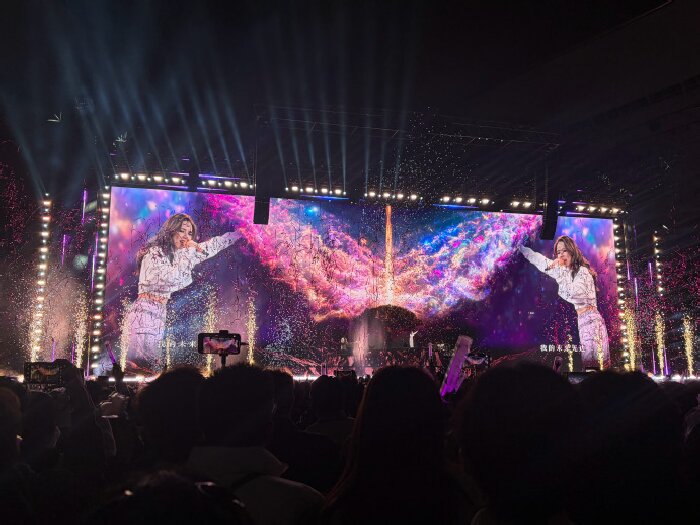
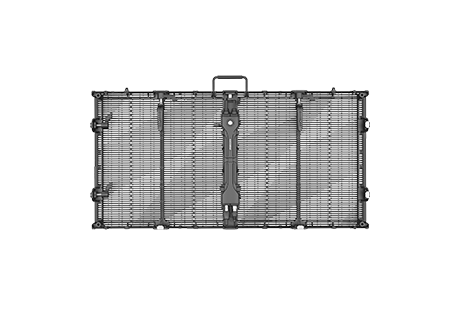
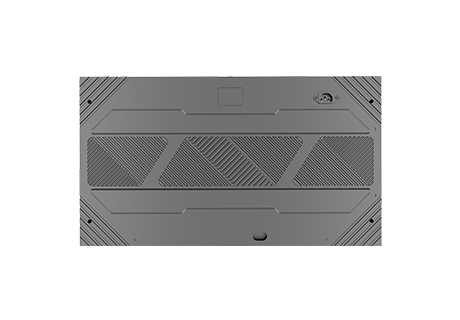
The first step in building an LED screen is selecting the right product for the job. Depending on the application, the LED display should meet various specifications, such as brightness, pixel pitch, and weather resistance. For outdoor installations, consider GLOSHINE's IP65-rated LED displays, designed to be robust and resistant to harsh environmental conditions like dust, rain, and extreme temperatures. These LED screens ensure that your visuals remain clear even under direct sunlight, making them ideal for billboards, stadiums, or large building facades.
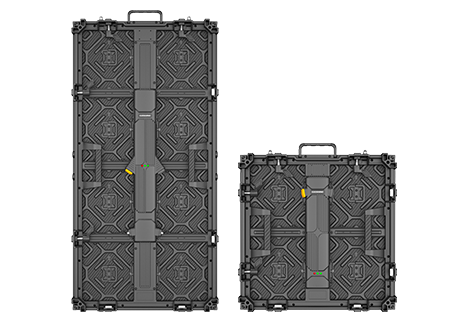
When selecting a LED display, the pixel pitch is crucial. For example, GLOSHINE offers models with pixel pitches ranging from 2.9mm to 10.4mm, allowing you to choose the best option for your viewing needs. A smaller pixel pitch means higher resolution and detail, ideal for close-up viewing, while larger pitches are suitable for large, distant audiences.
Planning for Installation and Setup
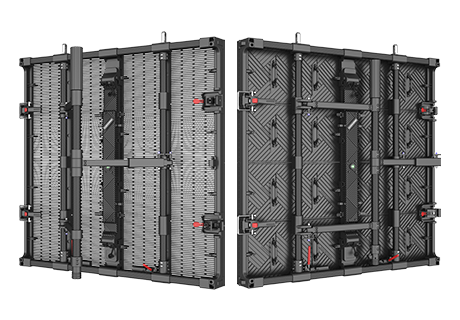
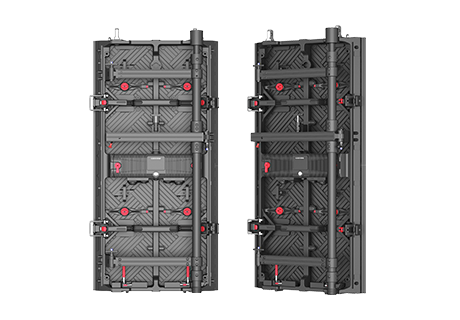
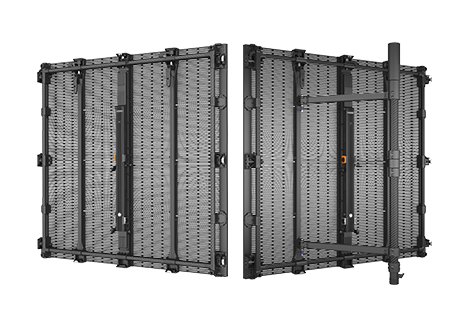
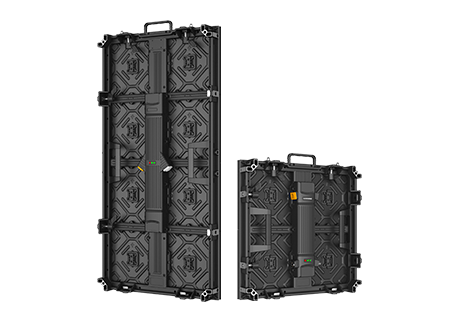
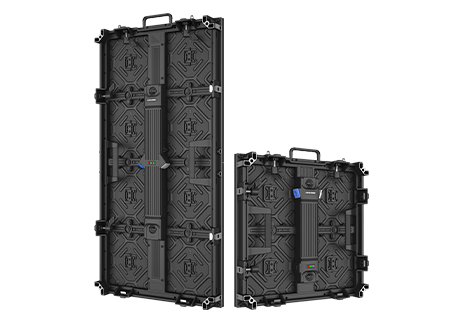
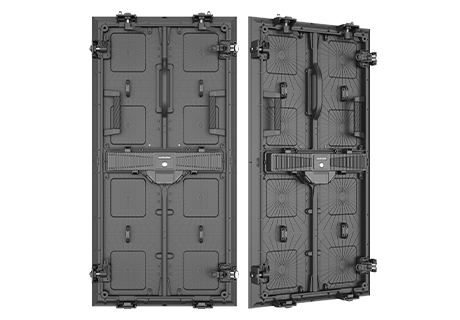
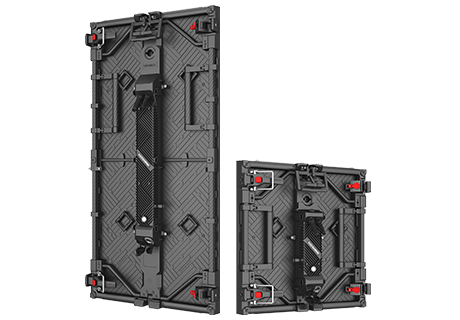
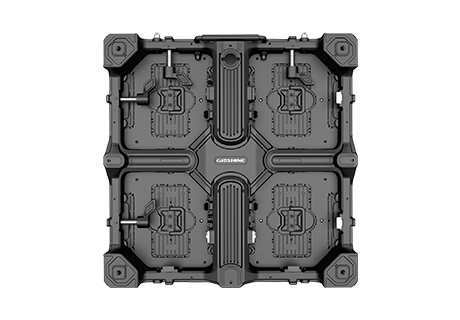
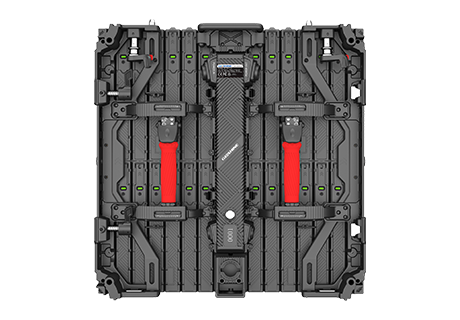
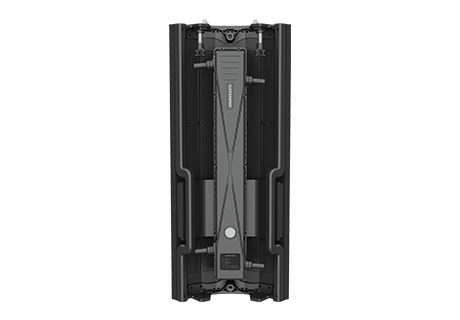
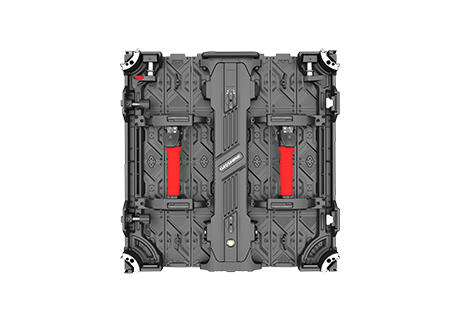
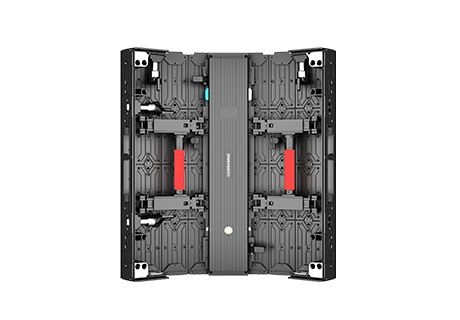
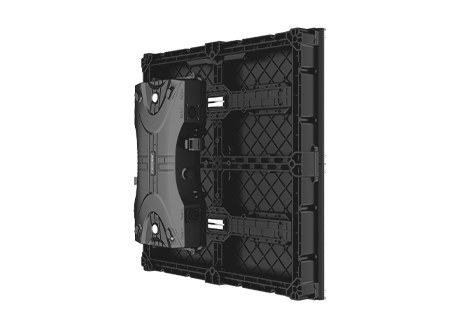
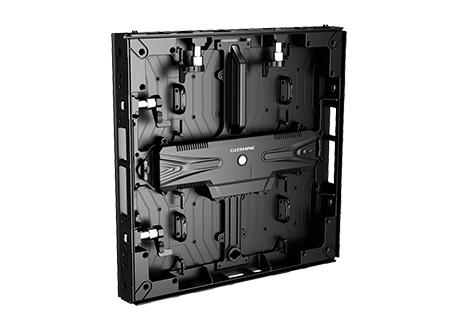
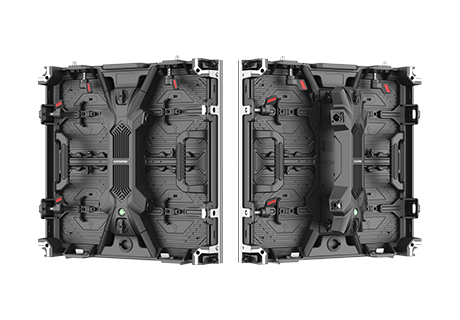
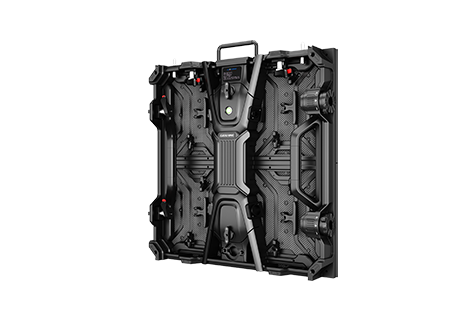
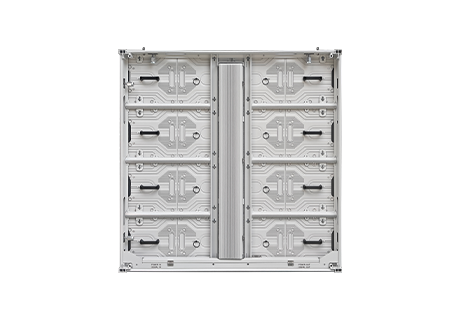
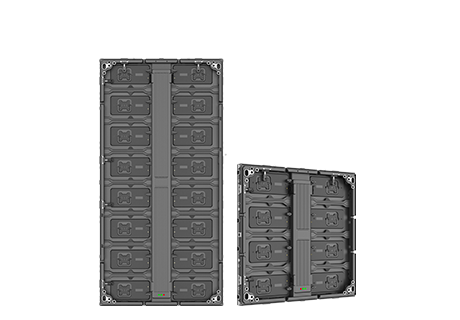
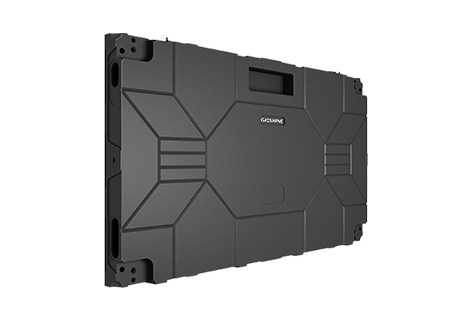
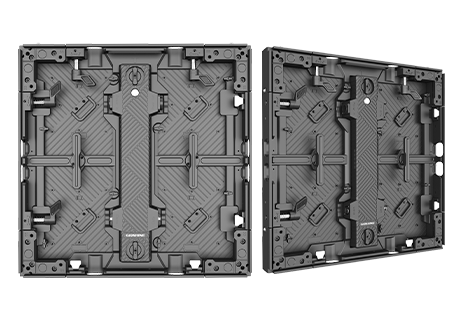
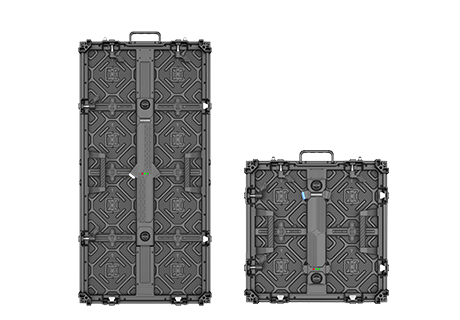
Once you've chosen your LED display, the next step is installation. This involves both structural planning and technical considerations. One key feature of GLOSHINE's outdoor LED screens is their dual maintenance design, which allows for front and rear access to the modules. This design makes it easier to maintain and troubleshoot the display without needing to dismantle the entire structure.
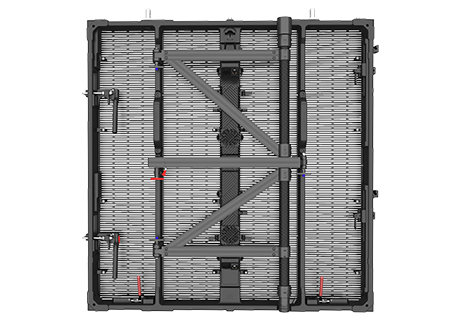
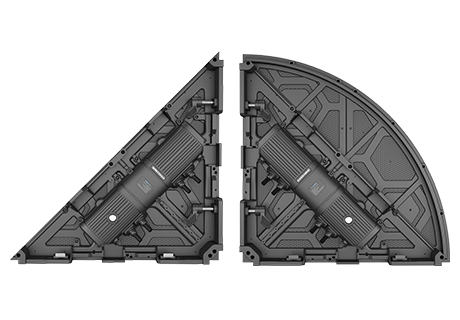
Flexible installation options are essential when it comes to large LED screens. Whether it's a flat or curved installation, GLOSHINE provides optional curve locks for added flexibility. These curve locks enable you to set up a LED display that conforms to your desired curvature, whether it's for an outdoor display or a uniquely shaped indoor installation.
Maintaining Your LED Display for Longevity
Once the LED screen is installed, it’s important to keep it in optimal condition. GLOSHINE's outdoor LED displays are designed with durability in mind, but regular maintenance will ensure they continue to function properly over time. Routine checks, such as inspecting for dust buildup, ensuring the structure remains secure, and cleaning the screen periodically, will keep the display looking its best.
Having a front and rear access system as part of the dual maintenance design makes the maintenance process much easier. Whether you need to clean the screen, replace a module, or address any technical issues, this design simplifies the process and reduces downtime.
Conclusion
Building a LED screen is a rewarding project that requires careful planning, the right materials, and proper installation. At GLOSHINE, we provide LED display solutions that offer flexibility, durability, and easy maintenance, whether for outdoor billboards, stadiums, or building facades. By selecting the right LED screen and focusing on proper setup and maintenance, you can ensure that your display performs effectively for years to come.


 cn
cn en
en es
es ru
ru pt
pt